
Movement is Medicine

It's Summertime and I'm Excited to be Outside!
Let's get moving!
Physical activity is amazing at improving our health. From a medical perspective, regular movement supports the heart, blood vessels, muscles, bones, brain, and metabolism. It also helps reduce the risk of chronic disease, improves sleep, lowers stress, and can enhance daily function and quality of life. The great news is that we see benefits with even small amounts of activity, and people who have been sedentary can still make meaningful progress by starting gradually!
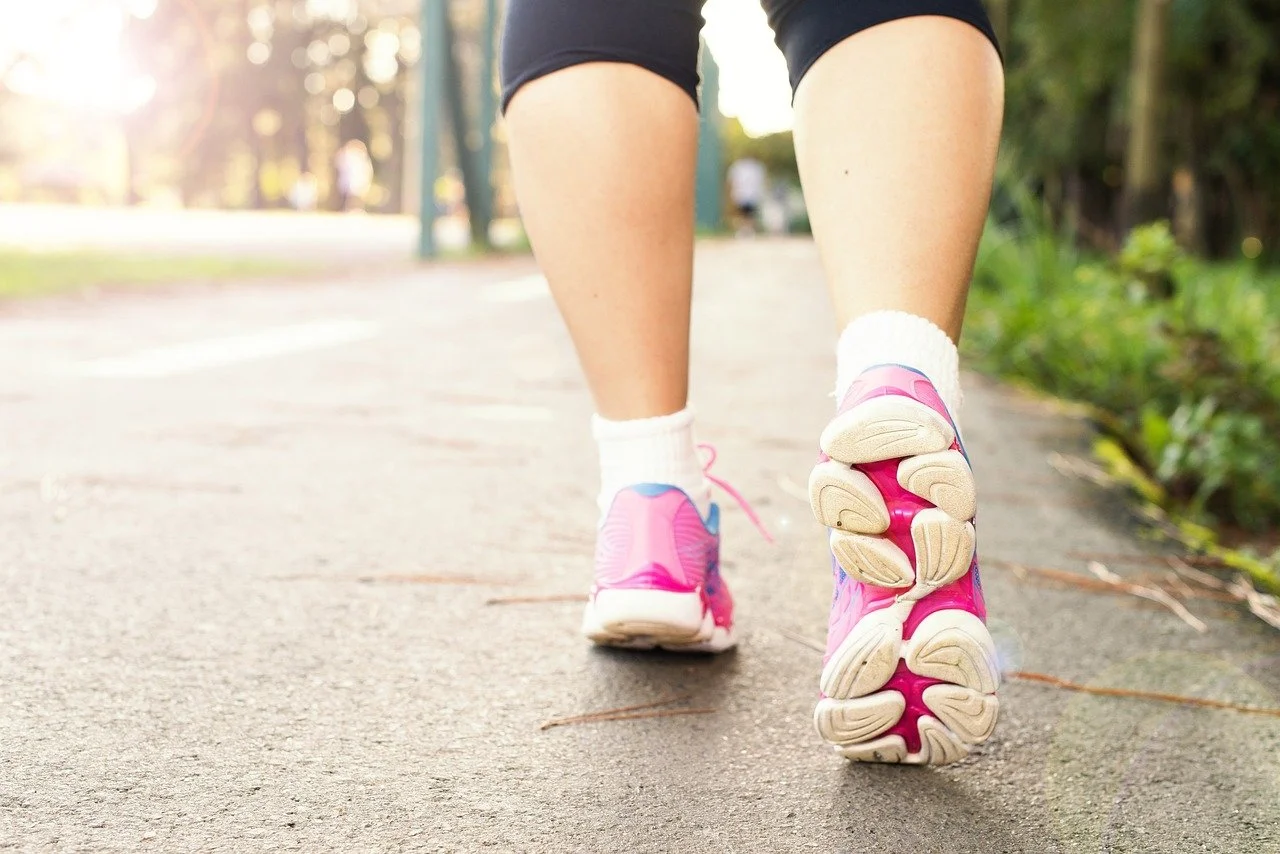
Health Benefits of Physical Activity
Medical guidelines consistently show that regular physical activity lowers the risk of heart disease, stroke, high blood pressure, type 2 diabetes, and several cancers. It helps improve blood pressure, cholesterol, blood sugar control, and cardiovascular fitness.
Physical activity also supports healthy weight management, preserves muscle mass, strengthens bones, and reduces the risk of falls in older adults. In addition, movement benefits brain health by improving mood, reducing anxiety symptoms, supporting cognition, and promoting better sleep.
In short, physical activity helps people feel better, function better, and stay healthier over time. Helping people live longer, healthier lives is my #1 goal, so you know much I value movement!
Weekly Movement Goals
For most adults, the standard goal is at least 150 minutes of moderate-intensity aerobic activity each week, 75 minutes of vigorous-intensity activity, or a combination of both. Moderate-intensity activity includes brisk walking, easy cycling, or water aerobics—activities that raise your heart rate while still allowing conversation. Vigorous-intensity activity includes running, lap swimming, or faster cycling. Adults should also include muscle-strengthening activities at least 2 days per week, focusing on major muscle groups. Older adults especially benefit from adding balance activities. If 150 minutes feels overwhelming, remember that some activity is better than none, and small amounts still count!
How to Get Started if You've Been Sedentary
If you've been inactive, the safest and most effective approach is to start low and go slow. Begin with short sessions, such as 5 to 10 minutes of walking, gentle cycling, or chair-based movement, and build from there. A practical first goal is to reduce long periods of sitting by adding light movement throughout the day. As your stamina improves, increase either the time, frequency, or intensity gradually. Choosing activities you enjoy can make consistency easier. People with chronic medical conditions, balance concerns, or symptoms such as chest pain, severe shortness of breath, or dizziness should speak with a healthcare professional before beginning a new exercise routine.
One simple strategy is to aim for consistency before intensity. For example, try a 10-minute walk after meals, stand up and stretch every hour, take the stairs when able, or schedule movement into your calendar. Over time, these small habits can build toward the recommended weekly goals and create lasting health benefits.

Summer Tips
Summer is a great time to be outside, but it does come with its challenges. Here are some things to consider when you want to be physically active outside in the heat:
Wear a hat and suncreen (SPF 50) and reapply every hour if you're sweating
Hydrate well with water and add in electrolytes (I like Precision Hydration, LMNT, and Nuun brands, personally) if you've been sweating
Time your workouts to be out when it's cooler (early morning or later in the evening)
Wear loose-fitting dry-fit type clothes that wick away sweat
Plan your route to be in shade or through a few random sprinklers ;)
Check for ticks when you return (they're really bad this year!)
Watch for warning signs of heat exhaustion or heatstroke, which include dizziness, nausea, headache, or confusion. And don't push yourself further if you're having muscle cramps or weakness.
Physical activity isn't just about fitness—it is a powerful tool for prevention, treatment support, and long-term well-being. The most important step is simply to BEGIN. With a gradual approach and realistic goals, even someone who has been sedentary can safely become more active and improve their health.
