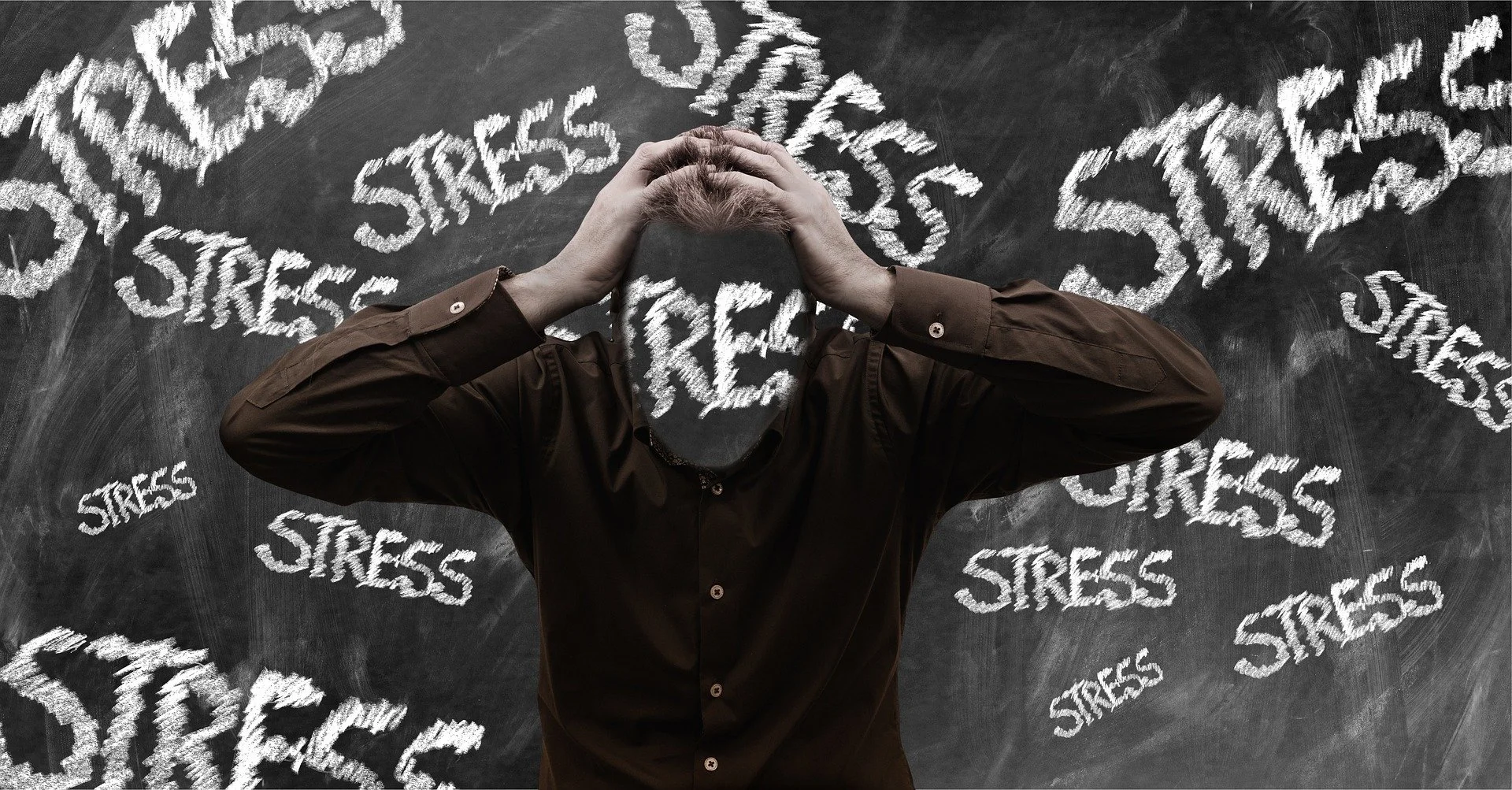
What if the most powerful thing you could do for your health this week wasn't a medication or supplement, but simply reducing your stress?
Stress is a normal response to life’s challenges. In the short term, it can help you react quickly and solve problems. But when stress stays high for days, weeks, or longer, the body can remain in “fight-or-flight” mode—raising heart rate, breathing rate, blood pressure, muscle tension, and stress hormones. Over time, chronic stress may worsen sleep, headaches, digestion, mood, blood pressure, blood sugar control, and existing health conditions.
Why Stress Reduction Matters for Your Health
Reducing stress helps activate the body’s relaxation response—the opposite of fight-or-flight. This response can slow the heart rate, lower blood pressure, calm breathing, reduce muscle tension, and help the body recover from daily demands. Regular stress-management habits may also support better sleep, improved focus and mood, healthier coping choices, stronger relationships, and greater confidence in handling problems.
Healthy Ways to Lower Stress
Breathe slowly and deeply. Try diaphragmatic breathing: inhale through your nose so your belly gently expands, then exhale slowly. Even a few minutes can help calm the nervous system.
Move your body. Walking, stretching, dancing, biking, or other physical activity can reduce tension and support emotional well-being. Start small and build gradually.
Practice mindfulness. Spend a few minutes noticing your breath, body, thoughts, or surroundings without judgment. You don't need special equipment, and brief practice counts.
Relax your muscles. Progressive muscle relaxation—gently tensing and releasing muscle groups—can help you notice and reduce physical tension.
Protect sleep. Keep a consistent sleep schedule, create a calming bedtime routine, and reduce screen time before bed when possible.
Connect with others. Talk with someone you trust, spend time with supportive people, or participate in community, faith-based, or social activities.
Use calming routines. Journaling, gratitude practice, time outdoors, prayer, music, humor, hobbies, and breaks from news or social media can help reset your day.
Plan and problem-solve. Identify your stress triggers, focus on what you can control, prioritize tasks, and practice saying “no” when your schedule is overloaded.

Try This: A 60-Second Stress Reset
Pause what you're doing and place both feet on the floor.
Place one hand on your heart and the other on your belly.
Take a slow, deep breath in through your nose.
Exhale slowly through your mouth, twice as long as your inhale.
Relax your shoulders, jaw, and hands.
Name one thing you can do next—just one small step.
Easy Tips For Everyday Life
Schedule “micro-breaks” of 1–5 minutes between tasks.
Take a short walk after meals or during your lunch break.
Write down three things you are grateful for each day.
Keep caffeine and alcohol moderate, especially if they affect your sleep or anxiety.
Choose one small, realistic goal instead of trying to change everything at once.
Ask for help early—support is a strength, not a weakness.